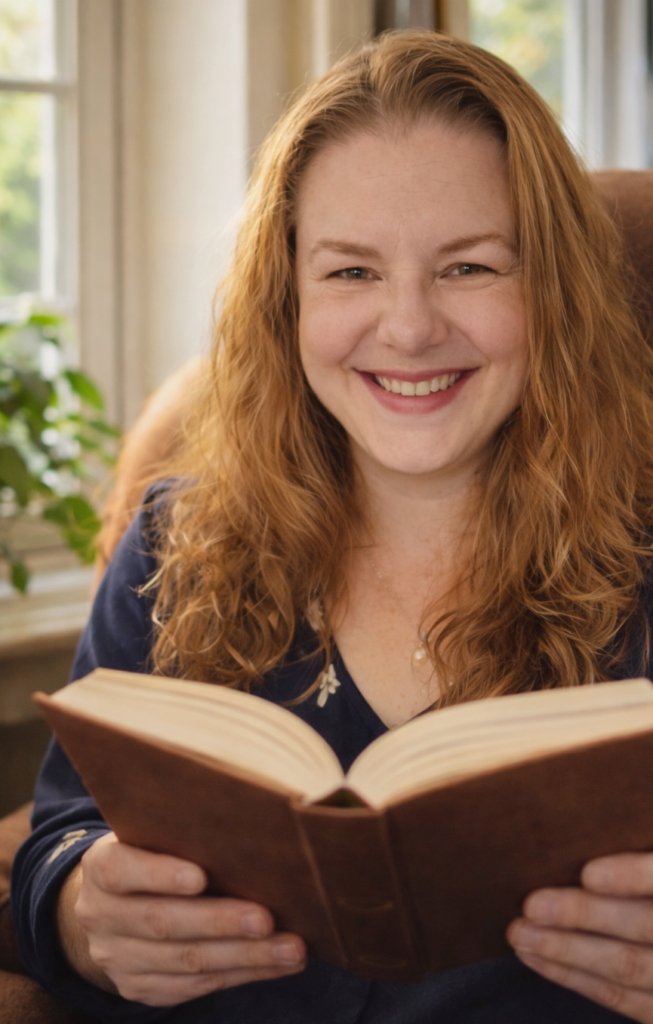
I’ve been living inside stories for as long as I can remember.
Where It Began — A Life Shaped by Books
I started reading early, in a home where books mattered—growing up on a farm in the Midwest, where quiet moments were filled with pages rather than screens. My mother always had a book nearby, and as I got older, we shared them—passing stories back and forth like a conversation.
My father sparked one of my earliest literary obsessions by giving me the first books in The Black Stallion series. By high school, I was an advanced reader, working in the library, helping others find stories to love, and surrounded by books in every spare moment.
Reading wasn’t just something I did—it was where I lived.
“Once you learn to read, you will be forever free.”
- Frederick Douglass
Clarity is not simplification—it’s understanding
Making Sense of Complexity
Science has always been more than content to me—
it is how I make sense of the world.
My academic path led me deep into science, earning a Bachelor’s degree in Human Biology, a Master’s in Immunology, and a Master’s in Science Teaching. But what drew me to the classroom—and kept me there for fifteen years—was not memorization or formulas. It was the challenge of making complex ideas feel accessible, intuitive, and meaningful.
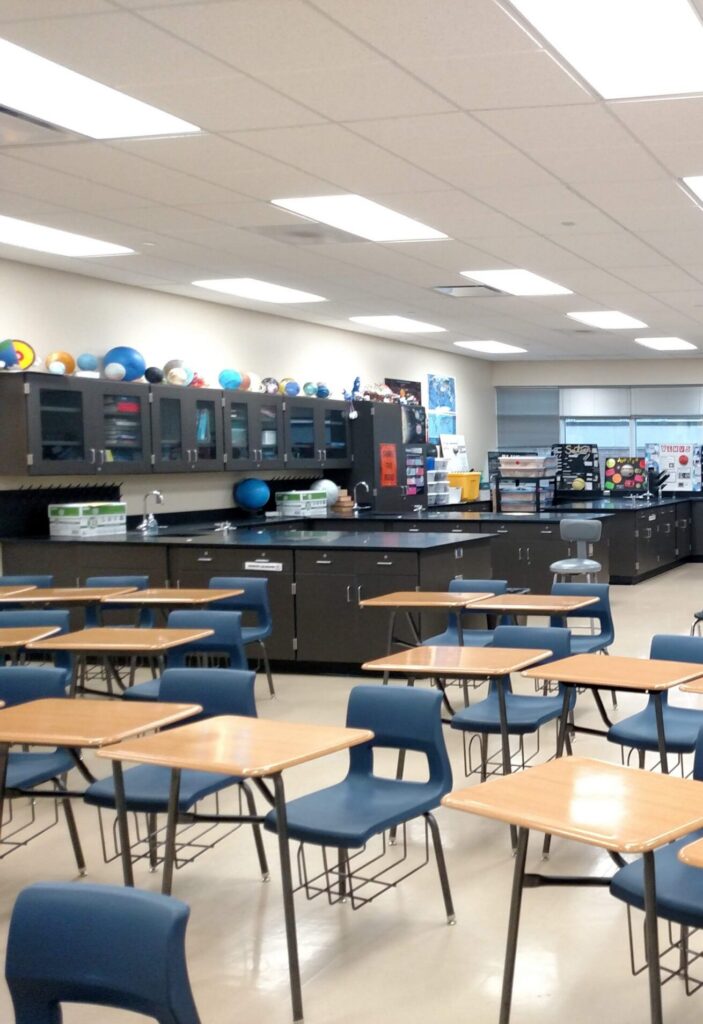
I taught across the sciences, with a focus on Biology, Anatomy, and Astronomy, helping students move past intimidation and into understanding. Whether we were exploring the intricacies of the human body or the vastness of the universe, my goal was always the same: to translate complexity into clarity.
That instinct eventually led me beyond my own classroom. As a Teaching and Learning Specialist, I began working with educators from kindergarten through secondary school, across all subject areas. Again and again, the same truth surfaced—learning succeeds when ideas are explained with care, structure, and an understanding of how people actually process information.
At its heart, good teaching is storytelling… sequencing ideas, building meaning, and guiding someone from confusion to clarity.
Where Language Comes Alive
Reading, Language, and Performance
Language has always been more than words on a page to me—it has rhythm, tone, and presence.
Long before I understood narration as a craft, I was immersed in reading as a shared, spoken experience. In high school, I gravitated toward writing clubs, speech, and drama, drawn to the way meaning shifts when language is performed. I loved readers’ theater and choral reading, where pacing, emphasis, and voice transform text into something communal and alive.
That relationship between language and sound never left me. As an educator, I developed a particular passion for reading instruction and literature, leading workshops and seminars focused on comprehension, expression, and the deep connection between understanding and voice. Reading is foundational to all learning—but it is also an art.
When I read, stories arrive fully formed. I see them, hear them, and carry a constant narration in my mind. For a long time, I assumed this was universal. It wasn’t until much later that I understood how many people struggle not only with reading itself, but with experiencing stories as something vivid and accessible. Voice is where understanding becomes experience.
I can’t bring stories to life visually for others—but I can give them a voice.
Giving Stories a Voice
All of these threads—reading, teaching, language, and performance—ultimately led me here.
Audiobook narration allows me to bring together everything I value about storytelling: pacing, connection, emotional truth, and respect for the listener. My background in science and education trained me to approach text carefully—to understand not just what is being said, but how it will be received.
My narration is grounded, articulate, and deeply attentive to meaning. Whether a story is complex, technical, intimate, or expansive, my goal is always the same: to make it accessible without flattening it, and engaging without overstating it.
At the heart of my work is an understanding that stories are not just heard—they are experienced. A well-narrated book creates space for the listener to see, feel, and experience in their own way.
This is where my voice belongs.
When a story is well told, the listener is free to enter it.